HS on tehnyt erinomaisen jutun amerikkalaisesta sosiaalipsykologian professorista Jonathan Haidtista tai siis hänen ajattelustaan. Lainaan yhtä kohtaa:
"[Haidt määrittelee] ylisuojelevan kulttuurin ajatukset ”kolmeen suureen epätotuuteen”.
Blogi käsittelee ihmisten yhteistyötä taloustieteen evoluution, peliteorian ja antropologian näkökulmasta. Erityisesti käsittelemme väestönlaatua julkishyödykkeenä ja ilmaston lämpenemistä globaalina yhteismaan ongelmana.
HS on tehnyt erinomaisen jutun amerikkalaisesta sosiaalipsykologian professorista Jonathan Haidtista tai siis hänen ajattelustaan. Lainaan yhtä kohtaa:
"[Haidt määrittelee] ylisuojelevan kulttuurin ajatukset ”kolmeen suureen epätotuuteen”.
Miksi nälänhätä nosti epätasa-arvoa?
Nälänhätä pakotti maatalousväestön ottamaan velkaa perheen ruokkimiseen, mikä johti maatilojen pakkolunastuksiin.
The channel through which the famine could have influenced inequality is its effect on land distribution. Indeed, in the aftermath of the famine, land ownership became increasingly concentrated. Many households were either forced to sell their farms and other property to feed their family, abandon their homes to find food elsewhere, or their farms had to be auctioned off
Tilastotieteen dosentti Edward Gylling - myöhempi punahallinnon talousministeri, Neuvosto-Karjalan pääministeri ja venäläisten suomalaisiin kohdistuneen kansanmurhan yksi uhri - kuvasi nälkävuosien tilannetta Työväen Almanakassa 1917 näin:
Wheat was largely bought with debt money. Farms and houses were used as a collateral. When the famine continued, farmers could not pay back their debts. On the contrary, new debt would have been needed. Payments were dunned despite the extreme distress. [...] Hundreds and thousands of houses were foreclosed because of even small debts, unpaid rents, or unpaid taxes. [...] Many farms changed hands, and ownership became more concentrated than before.
Standard economic theory suggests that this should have increased workers’ bargaining power and wages. However, the same logic is not likely to apply in the presence of coercive labor market institutions which we consider more descriptive of the Finnish labor markets in the era. For example, Domar (1970) and Brenner (1976) argued that elites might respond to labor scarcity by engaging in more labor coercion.
Acemoglu and Wolitzky (2011) construct a theoretical framework where the equilibrium impact of labor scarcity on coercion depends on workers’ outside options and the price of the good produced by the elites. Acemoglu and Wolitzky’s theory predicts a tendency towards tightening coercion in the Finnish case; the prices of agricultural products increased due to famine, and workers lacked outside options. The latter point was because there were merely a few cities and few employment opportunities in industrial production.
Even when the country started industrializing eventually, pursuing outside opportunities was difficult due to negative attitudes towards migration, low social mobility, and various geographical mobility restrictions, such as passport requirements (Lento 1951). Free movement of labor was banned until 1898 (Happonen 2004).
A particular feature of the Finnish case was the prevalence of tenant farming, which was an essential part of rural labor markets in the late 19th and early 20th centuries. The number of tenant farmers increased through the late 1800s and early 1900s, with tenant farms constituting nearly half of all farms in 1912. The poor position of tenant farmers and agricultural laborers was one of the most contentious policy issues in the Finnish public debate in the early 1900s (Rasila 1970). In the Finnish system, tenant farmers paid their rent mainly in day labor (taksvärkki), and monetary rent for the land was rare.
While tenant farming was not serfdom per se, it was a coercive labor relationship as the large landowners had significant power over their tenants (see also Naidu and Yuchtman 2013). It was arguably more beneficial for the landed elites to increase tenant farming instead of hired labor when there was upward wage pressure due to labor scarcity. In many cases, the demand for farmable land was high but no land was made available for sale, making tenant farming the only option (Peltonen 1990; Peltonen 1992).
Tenant farmers seldom had written contracts, and the landowners could easily make additional, sometimes arbitrary, demands to their tenants. Particularly taxing was the landowners’ right to require extra day labor (ylipäivät) and employ the tenant farmer’s family. As contract termination was also entirely in the hands of the landowners, the tenant farmers typically had no other choice than to agree with the unilateral changes in the contract terms. Otherwise, tenants could have lost their home, employment, and source of income (Rasila 1970).
Historiallinen taustoistus sille miten kapinaan ajauduttiin
Tutkimus taustoittaa kapinan historiaa erinomaisesti. Kapinaan ei johtanut pelkkä epätasa-arvoisuus vaan ainakin väkivaltamonopolin häviäminen Suomesta ja Venäjän bolsheviikkihallituksen kiihotus. Muu tutkimushan on soittanut että bolsheviikit painostivat onnistuneesti sosiaalidemokraatteja liittymään bolsheviikkien masinoimaan mailmanvallankumoukseen. (Lasse Lehtinen, Risto Volanen, Kuinka vallankumous levisi Suomeen.)
Historical Contingency It is likely that the nature of civil conflict in Finland would have been very different without the Russian Revolution and the sudden Finnish independence. High inequality is an important yet alone not a sufficient explanation for the Finnish Civil War. As Upton (1980) puts it: “There wasn’t anything inherent in the pre-WW1 Finnish society that made the revolution necessary or even probable.” The changing circumstances in which groups competed for power, especially the weakness of the state, also mattered. It was the interaction of these internal and external factors—the sources of historical contingency—that caused the conflict.
During the first world war, the previously law-abiding Finns began to revolt against the Russian government that put forward many wartime “Russification” policies such as censoring newspapers, creating a Russian police force, and limiting parliament assembly (Upton 1980; Haltzel et al. 1981; Alapuro 1988). The wartime habit of revolting against the ruling elites endured after Finland became independent of Russia.
At the same time, a power vacuum emerged within Finland. After the indepence, there was no national police or army presence to upkeep order, which had always been provided by the powerful empire (Alapuro 1988). Labor organizations formed a municipal militia that took the role of holding peace, while right-wing groups created their own guards to control the increased striking and turmoil. The line between private and state forces became increasingly diluted; in other words, the state lost its monopoly on violence. This development led to the arming of political organizations, greatly facilitating the civil war. The ambiguity in power relations at the national level exacerbated the situation even further.
Even though the Social Democrats gained
the majority of parliamentary seats before the civil war, they were uninterested in dissolving their
militias or relinquishing control to the government, as the strong bureaucracy was controlled by
non-socialists. This hesitance stemmed from general mistrust among the workers’ movement that
the election results would be upheld.
Finally, the Russian Revolution made revolting seem like a more specific route to social change. Since the late-1800s, there had been a political discussion and movement to push forward critical social policies such as eight-hour workdays, more equal land distribution, and franchise extension. These movements had, however, stayed non-violent and non-revolutionary for several decades. Finns had organized into parties and labor unions which had slowly made headway in these issues through political means (Upton 1980). This did not seem enough anymore, and people started to demand faster social change.
Tasa-arvon lisääntyminen kapinan jälkeen
Tutkimus taustoittaa myös sitä, miten kapinan jälkeen epätasa-arvoisuus laski, koska Suomessa tehtiin useampia maareformeja, joista torpparivapautus oli ensimmäinen, ja kunnallisvaaliuudistus.
Torpparivapaustus oli jo käsittelyssä eduskunnassa, kun kapina alkoi ja kunnallisvaaliuudistus oli jo myös hyväksytty. Niiden vaikutus ei ehtinyt estämään enää kapinaa.
After the civil war, significant policy changes affected both economic and political inequality. We argue that the famine positively contributed towards this development, contingent on the outcome of the civil war. Without the civil war, the slow process of social movement might have continued, possibly yielding the same societal results but more slowly. But it is also possible that many of the reforms would not have been implemented, and Finland would have become even more unequal.
A particularly important form of redistribution was the large land reform implemented after the civil war (Jörgensen 2006). Legislation passed in the year 1918 made it possible for the tenant farmers to buy the land they were renting at a discounted price. Four years later in 1922, the Parliament approved the Act on the acquisition of land for settlement purposes (278/1922) that gave the state and local authorities the right to facilitate the acquisition of land for citizens for cultivation and residential settlement. The government could redeem fractions of larger farms and redistribute the land to individuals who did not own any land before, but still had the knowledge and resources to start practicing agriculture on the newly acquired land.
Another crucial change was that the central government implemented a major electoral reform that established universal suffrage in municipal elections. The law was passed in the parliament after the declaration of independence, some months before the conflict onset in late 1917, and after years of debate in the parliament and significant resistance from the elite and landowners. In practice, however, municipal elections with universal and equal suffrage were not organized until after the conflict. The first democratic municipal elections with universal suffrage were held only half a year after the civil war. The reform extended municipal voting rights to some of those who fought with the government forces, but the poorer insurgent side was undoubtedly most affected.
The seminal Meltzer and Richard (1981) model predicts that extending political power to poorer segments of society leads to more redistribution and less inequality.10 But in general, democracy may not always change fiscal policy and the distribution of income. Counteracting forces such as the capture of democracy or a middle-class bias can also play an important role (Acemoglu and Robinson 2008; Acemoglu et al. 2015). However, in Finland in 1918, the conditions were ripe for changes—and the overall consensus was that changes were needed to prevent a new conflict from emerging. After the civil war and franchise extension, previously unrepresented segments of society gained political representation in local governments. The conservatives, who typically represented the landowners and other members of upper social classes, rarely had enough seats to get decisions through on their own. This served as a catalyst for collaboration between the conservatives and the left (Kettunen 1986; Aatsinki 2009).
Lännessä puhutaan yleensä, että individualismi on parempi kuin kollektivismi, mutta asiaa voi tarkastella myös toisesta näkökulmasta. Voidaan esittää kaksi kysymystä:
1) mitä hyötyä on kollektivismista ja mitä haittaa?
2) mikä aiheuttaa sen, että toiset kulttuurit ajautuvat vuosisatojen mittaan kollektivistiseksi, toiset individualistiseksi?
Tutkimusten mukaan patogeenien yleisyys ennustaa kollektivistista kulttuuria, missä normien noudattamista ja sosiaalista harmoniaa preferoidaan enemmän kuin yksilön vapautta. Japanissa ei maskien käytöstä tarvita säännöksiä, koska sosiaalinen paine panee ihmiset käyttämään niitä. Tässä suhteessa kollektiivinen kulttuuri edistää hyvinvointia eli on tehokasta taloustieteen termiä käyttääkseni.
Olen kirjoittanut paljon mm. romaneista ja suomenruotsalaisista. Myös somaleista, hutteriiteista, juutalaisista, amisheista, jainilaisista, lestadiolaisista ja homoista jne. Kirjoitusten päämäärä on ollut tiedon lisääminen maailmassa, missä useimmilla kirjoittajilla on jonkinlainen poliittinen agenda, kun he puhuvat etnisistä ryhmistä ja uskontokunnista. Poliittinen agenda voi olla monikulttuurisuuden tai suvaitsevaisuuden edistäminen ikäviä asioita ohittamalla, maahanmuuttokritiikki negatiivisia asioita esiin nostaessa, kritiikki suomenruotsalaisten väitettyjä etuoikeuksia kohtaan, pakkoruotsin vastustus tai uskontokritiikki ("kaikki uskonnot....").
Kurdeista on puhuttu Suomessa aika paljon - sekä hyvässä että pahassa mutta ei paljon siltä väliltä. Aluksi kurdit tulivat esille negatiivisessa uutisoinnissa klaanikulttuuriin liittyvien asioiden - lähinnä naisiin kohdistuvan kunniaväkivallan - takia. Sitten kurdien osallistuessa hyvin voimakkaasti ISIS:in kalifaatin vastaiseen voitokkaaseen taisteluun, heistä alettiin uutisoida positiivisesti. Kurdinaiset tulivat esiin naissotilaina - aktiivisina yhteiskunnan jäseninä. Toisaalta kurdit ovat leimautuneet jossain uutisoinnissa terroristmin tukijoiksi, koska monet tukevat EU:n terroristijärjestöksi julistamaa PKK:ta.
Todellisuus on paljon monimpuolisempi.
Suomen kurdiväestö toimii käytännössä aktiivisesti osana suomalaista yhteiskuntaa. Kurdeja on paljon pizzeria- ja parturi-kampaamo-yrittäjinä. Heidän kanssaan pääsee helposti juttuun ja he osaavat usein hyvin suomea. Kurdeja toimii myös politiikassa. Tietoni kurdeista on käytännössä varsin suppeaa kuten oli monesta muustakin aiheesta ennen kuin aloin opiskella niitä aktiivisesti. Suomenruotsalaisista tiesin toki hyvin paljon, koska olin mm. opiskellut ruotsiksi korkeakoulussa.
Viime aikoina olen ajautunut keskustelemaan eräiden kurdien kanssa monista aiheista: kurdien asemasta Turkissa, suomalaisuudesta kurdin silmin, Natosta ja Suomen Nato-jäsenyyden linkkautumisesta kurdeihin. Osa tarinoista on kerrottu luottamuksellisesti, enkä niitä halua toistaa.
Toivon, että saan vinkkejä Kansankokonaisuuden kommentoijilta heidän omasta näkökulmastaan. Sain aikoinaan todella hyvää materiaalia mm. Somalien klaanikulttuurista ja suomenruotsalaisuudesta kommentoijilta.
Nykyaika arvostaa Adam Smithia taloustieteen pioneerina. Ajatus vapaan markkinatalouden tehokkuudesta esitetään hänen kirjassaan Wealth of Nations (1776). Vapaassa markkinataloudessa yksityiset yrittäjät myyvät kuluttajille ja toisille yrittäjille tuotteita, joiden hinta määräytyy kysynnän ja tarjonnan kautta. Vallitsee elinkeinonvapaus eli jokainen voi periaatteessa alkaa tuottaa mitä tahansa tuotetta ja myydä sitä. Vapaa hinnanmuodostus ja elinkeinonvapaus johtaa mahdollisimman korkeaan hyvinvointiin, kunhan esimerkiksi monopolit puretaan tavalla tai toisella. Tavaramarkkinoiden lisäksi on olemassa työmarkkinat, jossa vapaat työläiset myyvät työtään yrittäjille. Myös työn hinta määräytyy kysynnän ja tarjonnan kautta.
Adam Smith ei tietenkään keksinyt markkinataloutta siinä mielessä, etteikö sitä olisi ollut olemassa maailman sivu. Mutta ei hän myöskään keksinyt alunperin itse sitä ajatusta, että vapaa hinnanmuodostus ja vapaa globaali kauppa tuottaa tehokkaimman tuloksen. Tässä suhteessa hän seisoi aiempien taloustieteilijöiden olkapäillä - taloustieteiljöiden joihin hän kyllä itse viittaa teoksessaan, mutta jotka nykyaika on unohtanut.
Ongelma nykyajan kannalta näissä taloustieteilijöissä on se, että he apulaisprofessori Blake Smithin AEON-artikkelin mukaan puhuivat orjakaupasta malliesimerkkinä vapaasta kaupasta ja vapaasta hinnanmuodostuksesta. Toisin sanoen vapaa markkinatalous merkitsi heille esimerkiksi sitä, että työläiset myivät työtään vapailla työmarkkinoilla brittiläisille firmoille ja tuottivat vaatteita puuvillasta, jonka vapaasti orjamarkkinoilla ostetut orjat tuottivat Amerikan puuvillapelloilla ja joka sitten myytiin vapaasti globaaleilla vaatemarkkinoilla.
Identitaarivasemmistolainen todennäköisesti sanoisi, että tämä sotkee markkinatalouden kädet vereen ikuisiksi ajoiksi. Järkevämpää on ehkä tehdä johtopäätös, että maailma kehittyy usein polkua, jonka jokainen askelma ei ole moraalisesti jälkeenpäin hyväksyttävissä. Smithiä edeltävät taloustieteilijät kehittivät teorioitaan sen hetken maailmassa, jossa orjat olivat merkittäviä tuotannontekijöitä, samaan tapaan kuin vaikkapa älypuhelimien ekosysteemit ovat merkittiviä tekijöitä nykymarkkinoilla.
Blake Smith kirjoittaa:
For nearly four centuries, the Atlantic slave trade brought millions of people into bondage. Scholars estimate that around 1.5 million people perished in the brutal middle passage across the Atlantic. The slave trade linked Africa, Europe and the Americas in a horrific enterprise of death and torture and profit. Yet, in the middle of the 18th century, as the slave trade boomed like never before, some notable European observers saw it as a model of free enterprise and indeed of ‘liberty’ itself. They were not slave traders or slaveship captains but economic thinkers, and very influential ones. They were a pioneering group of economic thinkers committed to the principle of laissez-faire: a term they themselves coined. United around the French official Vincent de Gournay (1712-1759), they were among the first European intellectuals to argue for limitations on government intervention in the economy. They organised campaigns for the deregulation of domestic and international trade, and they made the slave trade a key piece of evidence in their arguments.For a generation, the relationship between slavery and capitalism has preoccupied historians. The publication of several major pieces of scholarship on the matter has won attention from the media. Scholars demonstrate that the Industrial Revolution, centred on the mass production of cotton textiles in the factories of England and New England, depended on raw cotton grown by slaves on plantations in the American South. Capitalists often touted the superiority of the industrial economies and their supposedly ‘free labour’. ‘Free labour’ means the system in which workers are not enslaved but free to contract with any manufacturer they chose, free to sell their labour. It means that there is a labour market, not a slave market.
But because ‘free labour’ was working with and dependent on raw materials produced by slaves, the simple distinction between an industrial economy of free labour on the one hand and a slave-based plantation system on the other falls apart. So too does the boundary between the southern ‘slave states’ and northern ‘free states’ in America. While the South grew rich from plantation agriculture that depended on slave labour, New England also grew rich off the slave trade, investing in the shipping and maritime insurance that made the transport of slaves from Africa to the United States possible and profitable. The sale of enslaved Africans brought together agriculture and industry, north and south, forming a global commercial network from which the modern world emerged.
It is only in the past few decades that scholars have come to grips with how slavery and capitalism intertwined. But for the 18th-century French thinkers who laid the foundations of laissez-faire capitalism, it made perfect sense to associate the slave trade with free enterprise. Their writings, which inspired the Scottish philosopher Adam Smith’s Wealth of Nations (1776), aimed to convince the French monarchy to deregulate key businesses such as the sale of grain and trade with Asia. Only a few specialists read them today. Yet these pamphlets, letters and manuscripts clearly proclaim a powerful message: the birth of modern capitalism depended not only on the labour of enslaved people and the profits of the slave trade, but also on the example of slavery as a deregulated global enterprise.
Moniäänisyys yhteiskunnassa on tärkeää. Ihmisten ei tarvitse arvostaa toisiaan, mutta se että yhteiskunta sallii erilaisia mielipiteitä lisää yhteiskunnan jäsenten ymmärrystä asioista.
Kansanedustaja Päivi Räsänen on tällä kertaa uskoakseni oikeassa:
Luulen, että tulevaisuudessa ihmetellään lääkäreiden etiikkaa, nuorten terveitä sukuelimiä ja rintoja on leikelty ja hormonilääkkein aiheutettu pysyviä vaurioita elimistöön sen sijaan että olisi tuettu tyttöjä ja poikia arvostamaan omaan sukupuoltaan! #pride #trasek
Aluksi kirjoitus myöntää, että Lännen ylivalta on ollut suhteellisen hyvää aikaa. Kuten professori Ian Morris kirjassaan War! What is it Good For? for osoittaa, maailma jota yksi suhteellisen sävyisä suurvalta dominoi - vastakohtana ns. monikeskisyys - on käytännössä paras mahdollinen. Rooma, Britannia ja USA ovat vuorotellen dominanssillaan lueneet suhteellisen hyvän maailman, missä kauppa kukoisti, elintaso nousi ja väkivaltaisten kuolemien määrä laski. Pax Romana ja Pax Britannica toimivat pitkään, mutta syistä jota käsittelin aiemmin, ne eivät olleet sustainable (kestävä) vaan hiljalleen kuihtuivat. (Katso liite tämän postauksen lopussa.) Morris pohtii vuonna 2013 ilmestyneessä kirjassaan myös sitä, miten kauan USA:n mahtisema säilyy.
The retreat of the West is not universally welcomed. There is still no substitute for Western leadership, especially American leadership. Sudden withdrawals of American support from Middle Eastern or Pacific allies, albeit unlikely, could trigger massive changes that no one would relish. Western retreat could be as damaging as Western domination.
By any historical standard, the recent epoch of Western domination, especially under American leadership, has been remarkably benign. One dreads to think what the world would have looked like if either Nazi Germany or Stalinist Russia had triumphed in what have been called the "Western civil wars" of the twentieth century. Paradoxically, the benign nature of Western domination may be the source of many problems.
THE WEST'S OWN UNDOING
Huntington fails to ask one obvious question: If other civilizations have been around for centuries, why are they posing a challenge only now? A sincere attempt to answer this question reveals a fatal flaw that has recently developed in the Western mind: an inability to conceive that the West may have developed structural weaknesses in its core value systems and institutions. This flaw explains, in part, the recent rush to embrace the assumption that history has ended with the triumph of the Western ideal: individual freedom and democracy would always guarantee that Western civilization would stay ahead of the pack.
Only hubris can explain why so many Western societies are trying to defy the economic laws of gravity. Budgetary discipline is disappearing. Expensive social programs and pork-barrel projects multiply with little heed to costs. The West's low savings and investment rates lead to declining competitiveness vis-à-vis East Asia. The work ethic is eroding, while politicians delude workers into believing that they can retain high wages despite becoming internationally uncompetitive. Leadership is lacking. Any politician who states hard truths is immediately voted out. Americans freely admit that many of their economic problems arise from the inherent gridlock of American democracy. While the rest of the world is puzzled by these fiscal follies, American politicians and journalists travel around the world preaching the virtues of democracy. It makes for a curious sight.
The same hero-worship is given to the idea of individual freedom. Much good has come from this idea. Slavery ended. Universal franchise followed. But freedom does not only solve problems; it can also cause them. The United States has undertaken a massive social experiment, tearing down social institution after social institution that restrained the individual. The results have been disastrous. Since 1960 the U.S. population has increased 41 percent while violent crime has risen by 560 percent, single-mother births by 419 percent, divorce rates by 300 percent and the percentage of children living in single-parent homes by 300 percent. This is massive social decay. Many a society shudders at the prospects of this happening on its shores. But instead of traveling overseas with humility, Americans confidently preach the virtues of unfettered individual freedom, blithely ignoring the visible social consequences.
The West is still the repository of the greatest assets and achievements of human civilization. Many Western values explain the spectacular advance of mankind: the belief in scientific inquiry, the search for rational solutions and the willingness to challenge assumptions. But a belief that a society is practicing these values can lead to a unique blindness: the inability to realize that some of the values that come with this package may be harmful. Western values do not form a seamless web. Some are good. Some are bad. But one has to stand outside the West to see this clearly, and to see how the West is bringing about its relative decline by its own hand. Huntington, too, is blind to this.
Stanfordin yliopiston klassisen historian professorin Ian Morrisin kirja War! What is it Good For? Conflict and the Progress of Civilization from Primates to Robots käsittelee sotaa esihistoriallisesta ajasta pitkälle tulevaisuuteen. Kirjan aihe on tarkemmin ottaen sodan vaikutus ihmisen instituutioiden kehitykseen. Referoin kirjaa tässä kuitenkin vain siltä osin mikä on relevanttia tämän artikkelin aiheen osalta.
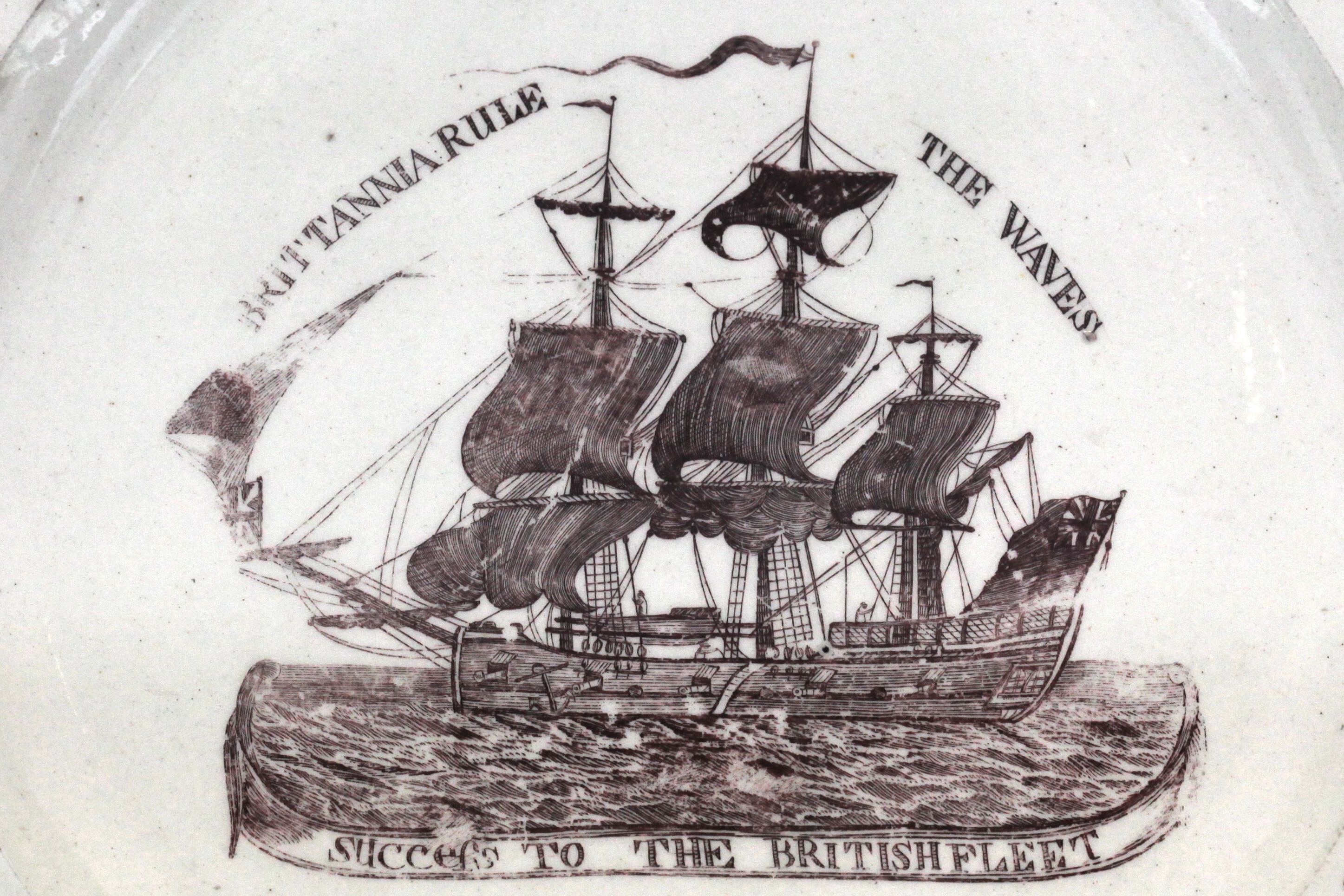
1800-luvun suhteellinen rauhantila maailmassa johtui pitkälti yhden valtion – Iso Britannian – mahtiasemasta maailmassa. Pax Britannica ei Pax Romanan tapaan koskenut vain Britannian vallan alla suoraan olevia valtioita, vaan maailman meriä.
1700-luvulle tultaessa Britannia alkoi muuttua perinteisestä siirtomaavaltiosta yhä enemmän kauppavaltioksi. Pohjois-Amerikan varakkaat siirtokunnat itsenäistyivät, mutta Britannian kauppa kukoisti. Kauppa edellytti brittiläisten laivojen turvallista liikkumista maailman merillä. Sitä varten Britannia loi vahvan laivaston ja monopolisoi väkivallan merillä itselleen niin kuin nykyaikaisen valtion poliisitoimi monopolisoi väkivallan maan alueella.
Britannia ei kuitenkaan monopolisoinut merenkulkua brittiläisille laivoille, vaan loi maailman meristä yhteisresurssin, jonka turvallisuudesta Britannia pyrki huolehtimaan väkivaltamonopolinsa avulla. Britannia hyötyi – sen bruttokansantuote oli neljännes koko maailman bruttokansantuotteesta – mutta niin hyötyivät monet muutkin maat.
Britannia teki väkivaltamonopolinsa turvaamiseksi tylyjäkin tomia – esimerkkinä buurisota. Se ei sinällään ollut muuttunut sen vähemmän itsekkääksi kuin aikaisemmin, mutta Britannian toimet oman edun ajamiseksi johtivat positiivisiin ulkoisvaikutuksiin muille valtioille.
Ongelma väkivaltamonopolissa ei niinkään ollut se, että Britannia oli maailmanpoliisi, jota muiden piti totella. (Britannia mm. kielsi yksipuolisesti orjien kuljetuksen maailman merillä ja pakotti muiden maiden laivat noudattamaan päätöstään.) Ongelma oli pikemminkin se, että tasapainotila ei ollut kestävä.
Vaikka väkivaltamonopolin turvaama maailmankauppa toi rikkauksia briteille, se toi rikkauksia myös muille maille. Britannian osuus maailman bruttokansantuotteesta laski 23%:sta 14%:iin. Muutkin maat rikastuivat ja keräämillään varoilla USA, Japani ja Saksa alkoivat varustaa armeijaa ja sotalaivastoa.
Väkivaltamonopoli mureni hiljalleen. Britannia joutui ensin antamaan läntisen Atlantin väkivaltamonopolin USA:lle, sittemmin väkivaltamonopoli mureni laajemminkin. Vanha tasapainotila järkkyi.
Rauhantila päättyi vuonna 1914. Ensimmäinen maailmansota ei myöskään osoittautunut yksittäistapaukseksi vaan ensimmäistä maailmansotaa seurasi toinen.
Japani osoitti kouriintuntuvasti, että fyysisen voiman käytöllä voi edelleenkin saada suuria etuja. Kun länsimaat kärvistelivät 30-luvun lamassa, Japanin talous nousi kohisten mm. Mantsurian anastuksen takia.
Intiaaniväestö Karibian saarilla on tunnetusti hävinnyt lähes kokonaan.
Historian aikana on kiistelty siitä, kuinka paljon asukkaita saarilla oli ennen valkoisten tuloa. Arviot ovat vaihdelleet miljoonasta (Christopher Columbus ja hänen veljensä Bartholomewn arviot) melkein nollaan (John Locke). Nykyarvio oli vuoteen 2020 saakka noin 250 000. Muinaisen DNA:n tutkimus on nyt antanut uutta valoa kysymykseen (David Reich ja kumppanit vuonna 2020). Intiaaneja lienee ollut vain muutamia kymmeniä tuhansia.
The finding about the pre-contact population size in Hispaniola was made possible by a new scientific advance: We are now able to detect “DNA cousins” in ancient genomes — taking two people and determining whether they share large segments of DNA inherited from a recent ancestor. This is similar to what personal ancestry companies like 23andMe and Ancestry do with living people.
When the Reich team applied this method to 91 ancient individuals for whom it had sequenced enough of the genome to carry out this analysis, it found 19 pairs of DNA cousins living on different large islands or island groups in the Caribbean: for example, an individual in Hispaniola with a cousin in the Bahamas, and another individual in Hispaniola with a cousin in Puerto Rico. This meant that the entire population had to be very small; you wouldn’t find that random pairs of people had such a high probability of being closely related if the entire population was large. (To put this in perspective, if you did the same analysis on random pairs of people across China today, DNA cousins would be detected many thousands of times less often.)
The rate of close relationships that the Reich team found is what would be expected for about 3,000 people — at most 8,000 people — in their childbearing years in Hispaniola. The true numbers of people could have been threefold to tenfold larger because at any given time only a fraction of a population is in its childbearing years. Still, we can confidently conclude that the pre-contact population size of Hispaniola was no more than a few tens of thousands of people.
Intiaanit hävisivät itse asiassa vain muutamissa kymmenissä vuosissa valkoisten saapumisesta. Toisaalta muinaisen DNA:n tutkimus osoittaa, että itse asiassa he eivät hävinneet kokonaan vaan osittain sulautuivat mm. afrikkalaisperäisiin orjiin.
Lisäksi Karibian alkuperäisväestö ennen Kolmubusta ei ollut kovinkaan alkuperäistä, vaan 1000 vuotta ennen Kolumbusta väestö oli ilmeisesti jo kerran vaihtunut samalla tavalla.
Taloustieteilijä Samuel Bowles esittää Science-lehdessä, että sotiminen on saattanut suosia sellaisten ryhmien eloonjäämistä, joiden joukossa on ollut ryhmänsä puolesta uhrivalmiita yksilöitä. Bowles käytti ihmisryhmien välisestä konfliktista teoreettista mallia, joka mittaa epäitsekkään käyttäytymisen hyötyjä ja kustannuksia yksilöille ja ryhmille.
Hän yhdisti tähän malliin kansatieteellistä ja arkeologista näyttöä esihistoriallisten ja modernien metsästäjä-keräilijöiden aikuiskuolleisuudesta. Tulosten mukaan sotiminen oli niin yleistä, että epäitsekäs käyttäytyminen saattoi kehittyä siksi että se edisti ryhmän mahdollisuuksia voittaa toisen osapuolen kuolemaan johtavia konflikteja.
Sota ei ole vaikuttanut vain biologiseen ihmisluontoon, vaan se on vaikuttanut myös kulttuurievoluutioon ja instituutioiden kehitykseen. Ihmisen kulttuurit ja insituutiot ovat kehittyneet kilpailussa ihmisyhteisöjen välillä. Kilpailussa on usein käytetty väkivaltaa uusien resurssien kuten maa-alueiden valtaamiseksi.
Sellaiset yhteisöt, jotka ovat kehittäneet tehokkaita instituutiota yhteistyön mahdollistamiseksi ovat selvinneet voittajina. Yksi tällainen instituutio on ollut moralistiset uskonnot - siis uskonnot jotka tavalla tai toisella edistävät yhteistyötä yhteisön jäsenten välillä sanktioimalla itsekkyyttä. (Muita myöhempiä instituutioita ovat yleinen asevelvollisuus ja hyvinvointiyhteiskunta. Hyvinvointiyhteiskunta on alentanut riskiä, että osa väestöstä (köyhät) asettuvat vihollisen puolelle.)
Historiotsija ja kompleksien järjestelmien tutkija professori Peter Turchin on tutkimusryhmineen esittänyt, että kompleksisten yhteiskuntien synnyn oleellisin selittäjä on väkivaltainen kilpailu yhteisöjen välillä. (Kompleksisella yhteiskunnalla tarkoitetaan siis ihmisyhteisöä, jota leimaa suuri populaatio, hierarkkia, erikoistuminen ja muut monimutkaiset instituutiot.)
Sota on tietysti murheen lähde kuten tänään taas näemme, mutta on oleellista kuitenkin ymmärtää, miten voimakkaasti se on vaikuttanut ihmisen sekä biologiseen että kulttuuriseen evoluutioon.
The West is still the repository of the greatest assets and achievements of human civilization. Many Western values explain the spectacular advance of mankind: the belief in scientific inquiry, the search for rational solutions and the willingness to challenge assumptions. But a belief that a society is practicing these values can lead to a unique blindness: the inability to realize that some of the values that come with this package may be harmful. Western values do not form a seamless web. Some are good. Some are bad. But one has to stand outside the West to see this clearly, and to see how the West is bringing about its relative decline by its own hand. Huntington, too, is blind to this
Tämä blogi on jatkunut todella pitkään (vuodesta 2006) ja jatkuu toki edelleen. Aiemmin blogin kommenteissa käytiin melko laajaa keskustelua - nimimerkit Tiedemies, Valkea, Aakke / Miltton, IDA, Vasarahammer, LS, Ruukinmatruuna ovat kuitenkin kadonneet. Keskustelu on siirtynyt muualle. Olen tavannut neljä ensimmäistä vuosien mittaan - Tiedemiehestä on tullut hyvä ystäväni, oikeastaan myös Aakesta. IDA:n olen tuntenut kauan. Bloggaaja Valkeaan välit katkesivat voimakkaiden erimielisyyksien takia.
Valkean tapaaminen oli elämäni erikoisimpia. Valkea ei missään vaiheessa useamman tunnin kahvilla istumisen aikana halunnut kertoa oikeaa nimeään. Kun jouduin lainaaman häneltä bussirahat, en voinut palauttaa rahoja.
Lähtökohtamme Valkean kanssa olivat pintapuolisesti tarkasteltuna samanlaiset - kansallismielisyys ja yhteisöllisyyden painottaminen. Molemmat olimme äärimmäisen kiinnostuneita mm. hutteriiteista ja juutalaisista. Valkea on terävä analyyttinen ihminen. (Tiedemies on liberaali ja Aakke oli Chicagon koulukunnan libertaari, joka tuli sittemmin uskoon. IDA on katolinen perussuomalainen.)
Valkea näki kuitenkin maailman jotenkin dramaattisesti eri tavalla kuin minä. Valtapelinä. Maailma oli Valkealle PELKÄSTÄÄN liberaalien ja konservatiivien (amerikkalaisessa mielessä) valtataistelua. Kulttuurisotaa, missä kaikki keinot olivat luvallisia. Blogin kirjoitus oli ensi sijassa propagandan tekoa. Itse näin elämän ja blogin kirjoituksen jatkuvana uuden etsimisenä ja vanhojen ajatusten jatkuvana uudelleen arvioimisena. Opiskellemisena yhdistettynä poliittiseen työhön, jossa yhteistyötä pitää tehdä muidenkin kuin konservatiivien kanssa case by case.
Valkea pyysi minut kahville ainoana syynä, että muuttaisin omaa tapaani kirjoittaa blogia, jotta Kansankokonaisuus palvelisi Kulttuurisotaa tehokkaasti. Hän ei halunnut kertoa nimeään, koska pelkäsi jotakin.
Spesifisesti Valkea halusi käyttää vasemmistointellektuelli Michael Foucaultin postmodernismia konservatiivien aseena liberaaleja vastaan. Konkreettisesti Valkea oli valmis - Foucaultin metodolgiaa käyttäen - hylkäämään totuuden & tieteen kulttuurisodan "korkeamman" päämäärän hyväksi. Sen hän tekikin mm. kiistäessään ilmaston lämpenemisen.
Luen juuri Francis Fukuyaman uusinta kirjaa Liberalism and Its Discontents liberalismista ja sen vihollisista. Eräs terävimmistä liberalismin vasemmistolaisista kriitikoista ja tieteellisen maailmankuvan romuttajista onkin Fukuyaman mukaan nimenomaan Foucault:
Michel Foucault. In a series of brilliant books, Foucault argued that the language of modern natural science was used to mask the exercise of power. The definition of madness and mental illness, the use of incarceration to punish certain forms of behavior, medical categorizations of sexual deviancy and other practices were not based on neutral empirical observation of a given reality. Rather, they reflected the interests of broader power structures that wanted to subordinate and control different classes of people.
... Edward Said’s 1978 book Orientalism made explicit use of Foucault’s theory of power and language to attack prevailing academic approaches to cross-cultural studies, laying the groundwork for later postcolonial theorists who have denied the possibility of “objective” knowledge unconditioned by the identity of the knowledge producer.
Valkean tavoin amerikkalainen populistioikeisto otti Foucaultin ajattelun omaan käyttöönsä.
...The postmodernist critique of liberalism and its associated cognitive methods has now drifted over to the right. White nationalist groups today regard themselves as a beleaguered identity group. During the Covid epidemic, a much broader group of conservatives around the world used the same conspiratorial critique of modern natural science that had been pioneered by critical theory and the left.
Foucalt avasi pullon ja postmodernismin eli irrationalismin henki pääsi karkuun. Postmodernismin idean nappasi lopulta myös trumpilainen oikeisto ja käytti sitä ehkä jopa tehokkaammin kuin vasemmisto. Valkea oli ollut tällä asialla jo 15 vuotta sitten.
if Michel Foucault argues that the scientific method encodes the power and interests of hidden elites, then we have to ask what hidden power agenda drives Michel Foucault himself. If there are no truly universal values other than power, why should one want to accept the empowerment of any marginalized group, which will simply replace one expression of power with another?
Yhtä hyvin voidaan siis voimaannuttaa äärikonservatiivisia valkoisia kuin vaikka afroamerikkalaisia.
En halua vähätellä Marinin ja Niinistön roolia - päinvastoin - kunnia heille ja Suomen puoluelaisille siitä, että muuttivat lopulta mielensä tosin vasta pakkoraossa.
Seinälläni joku kyynikko sanoi että "ei kuolemassa ole mitään kunniallisista eivätkä ukrainalaiset kuole meidän puolestamme".
Verkkouutiset kertoo:
Evoluuutiopsykologian perushavaintoja on että ihmisen mieli muodostuu funktionaalisista moduuleista . Esimerkkejä moduuleista ovat kielimod...